

Technology continues to transform the way we live, work, and interact with the world around us. From health and safety to convenience and efficiency, innovations are improving daily life in ways that were unimaginable just a few decades ago. Whether it’s in transportation, healthcare, home security, or recreation, modern tools and systems are enhancing our experiences and enabling solutions to long-standing challenges. Businesses, medical professionals, and everyday consumers are all benefiting from smarter, faster, and safer technologies that simplify complex tasks. This article explores ten real examples of how technology is making life better.
Faster Vehicle Fixes
Efficient vehicle maintenance is essential for personal safety, business operations, and transportation reliability. Delays or improper repairs can lead to unexpected breakdowns, costly downtime, and safety hazards. Technology has revolutionized how vehicles are serviced, enabling mechanics to diagnose and repair problems faster and more accurately than ever before. Advanced diagnostic tools, computerized systems, and improved equipment streamline workflows and reduce the likelihood of errors. The result is quicker turnaround times, safer vehicles, and more satisfied vehicle owners.
Using auto repair technology, mechanics can pinpoint issues that previously required extensive manual inspection. Digital diagnostics allow for real-time identification of engine, transmission, or electronic system problems. Automated systems help technicians calibrate components with precision, ensuring repairs meet manufacturer standards. This level of technology reduces human error and increases confidence that vehicles will operate reliably after service. Customers benefit from faster service and improved trust in their mechanic’s capabilities.
Over time, technological advancements in vehicle repair contribute to broader safety and efficiency on the road. Reliable cars reduce accidents and traffic interruptions, and predictive maintenance tools can prevent breakdowns before they occur. Mechanics can handle higher volumes of work without sacrificing quality, improving business efficiency. Technology also supports environmental benefits by reducing waste through more accurate repairs.
Improved Hearing Solutions

Hearing is a critical sense that impacts communication, learning, and social engagement. Hearing loss can limit opportunities, reduce quality of life, and lead to isolation or frustration. Advances in technology have dramatically improved the diagnosis, treatment, and management of hearing conditions. From precise audiometric testing to sophisticated hearing aids, patients can now access solutions that are highly customized and effective. These tools not only restore hearing but also improve confidence and independence for users.
Working with an ear doctor, patients benefit from devices and techniques designed to address specific hearing challenges. Modern hearing aids feature digital sound processing, noise reduction, and wireless connectivity, allowing users to experience clearer and more natural sound. Professionals can adjust devices to individual hearing profiles, optimizing performance for different environments. Telehealth solutions also allow for remote tuning and consultations, reducing the need for frequent office visits.
Long-term, improved hearing solutions enhance personal relationships, academic performance, and workplace participation. Early detection and treatment prevent complications and help maintain cognitive health. Children and adults alike gain confidence in social interactions, reducing feelings of isolation. Integrating advanced tools into hearing care demonstrates how technology can improve essential aspects of daily life. Accessible and effective hearing solutions represent a significant leap forward in quality of life for millions of people.
Smarter Security Systems
Safety is a fundamental concern for homes and businesses alike. Traditional locks and manual security measures often provide limited protection and can be bypassed by determined intruders. Technology has transformed security, offering smarter solutions that combine monitoring, access control, and real-time alerts. These systems not only protect assets but also offer peace of mind to property owners. Automation, integration, and remote control capabilities elevate security beyond what was previously possible.
With a commercial locksmith, businesses can implement advanced systems such as keyless entry, biometric access, and surveillance integration. Technology allows for centralized management of multiple access points, ensuring only authorized personnel can enter sensitive areas. Security devices can alert managers immediately to potential breaches or emergencies, enabling rapid response. Professional locksmiths ensure that installation and maintenance meet high safety standards.
Over time, smart security solutions enhance business continuity and reduce the risk of loss or theft. Employees feel safer, increasing morale and productivity. Clients and customers are reassured by visible and effective security measures. The combination of technology and professional expertise ensures that systems remain reliable and adaptable as needs evolve. Smarter security demonstrates how technology safeguards physical spaces while streamlining management and oversight.
Clearer, Safer Windshields

Automotive safety depends heavily on visibility and the integrity of vehicle components. Windshields protect drivers from debris, weather, and accidents while maintaining structural support for the car. Traditional repair methods often required lengthy service or full replacements, which could be costly and inconvenient. Technological advances have improved both the speed and quality of windshield maintenance, making vehicles safer and repairs more efficient.
Modern windshield repair techniques allow for precise restoration of chips and cracks without replacing the entire glass. Specialized resins and curing processes restore strength and clarity to damaged areas. Advanced tools minimize imperfections, ensuring drivers have optimal visibility. Rapid repair options reduce downtime for vehicle owners and prevent small issues from becoming larger safety hazards. Technology ensures repairs are more effective, affordable, and convenient than ever before.
Over time, improved windshield repair contributes to safer roads and longer vehicle lifespans. Drivers experience greater confidence and reduced risk of accidents due to impaired vision. Insurance companies also benefit from reduced claims when minor damage is efficiently repaired. The integration of advanced tools and materials demonstrates how technology can enhance safety and convenience in everyday life. Safer windshields are a tangible example of practical technological impact.
Enhanced Outdoor Spaces
Outdoor spaces have become essential for relaxation, recreation, and socializing. Creating functional, durable, and visually appealing areas requires careful planning and quality materials. Technological innovations have transformed the design, construction, and maintenance of outdoor structures, allowing homeowners to enjoy their yards more effectively. From modular designs to high-performance materials, technology improves both usability and longevity.
Building a floating deck leverages modern engineering and materials to provide stable, resilient outdoor platforms. Floating deck designs use interlocking components and moisture-resistant materials that simplify installation and reduce maintenance needs. Homeowners can customize layouts, finishes, and configurations with precision. Advanced construction tools enable safer and more efficient assembly. These improvements make outdoor living spaces more accessible and enjoyable.
In the long term, enhanced outdoor spaces increase property value and personal satisfaction. Durable, low-maintenance designs ensure longevity and reduce ongoing upkeep. Families and friends can enjoy safe, comfortable areas for socializing and recreation. Technology allows homeowners to expand creativity and functionality without compromising quality. Floating decks exemplify how innovation improves lifestyle, comfort, and usability in everyday environments.
Efficient Fluid Control

Efficient management of fluid systems is vital across industries, from manufacturing and plumbing to agriculture and energy. Inconsistent flow or pressure can lead to costly downtime, wasted resources, and safety hazards. Technological advancements in valves and control systems have revolutionized fluid management, allowing precise regulation of liquids and gases. These innovations enhance operational efficiency, reduce risk, and support sustainable practices. Reliable fluid control is a cornerstone for productivity and safety in many sectors.
Modern valves are designed to provide accurate, automated control of fluid flow, pressure, and temperature. Advanced sensors and digital controls allow for real-time adjustments, reducing manual intervention. These systems can detect leaks, prevent overflows, and optimize energy usage, which lowers operational costs. Whether in industrial plants or residential systems, modern valves ensure that fluid handling is safe, consistent, and efficient. Automation of these processes saves time and reduces human error.
Over time, the integration of advanced fluid control improves reliability, productivity, and resource management. Industries can respond quickly to changes in demand or environmental conditions. Preventative maintenance supported by digital monitoring reduces breakdowns and increases equipment lifespan. Overall, technology-driven valves enhance operational performance while supporting safety, sustainability, and cost-effectiveness.
Advanced Product Safety
Ensuring the safety of products is a critical concern for manufacturers, regulatory agencies, and consumers. Unsafe or mismanaged products can cause harm, damage brand reputation, and lead to legal consequences. Technological tools allow companies to track, test, and certify products with a level of accuracy previously unattainable. From labeling to compliance verification, innovations in safety management protect consumers and improve confidence in the market. Advanced oversight is now more integrated, accurate, and scalable.
Active ingredient registration is a key component of product safety, particularly in pharmaceuticals, cosmetics, and agriculture. Digital platforms streamline the process of documenting chemical composition, testing outcomes, and regulatory compliance. These systems ensure that products meet strict standards before reaching consumers. Accurate registration reduces errors, prevents recalls, and supports transparency.
Over time, advanced product safety measures benefit both businesses and end users. Consumers trust products that meet rigorous safety standards, leading to brand loyalty and reduced liability risks. Companies experience fewer disruptions caused by recalls or regulatory violations. The integration of digital tools and automated compliance processes makes safety management faster, more reliable, and cost-effective.
Stronger Construction Materials
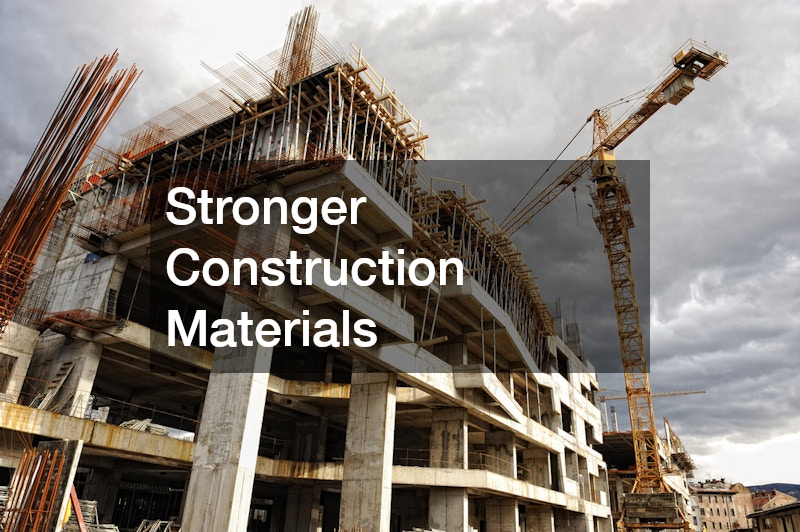
The construction industry has long relied on durable materials for safety, longevity, and performance. Traditional fasteners and components, while functional, often lacked the precision and strength needed for modern engineering demands. Technological advancements in materials manufacturing have introduced stronger, more reliable construction elements. These innovations improve structural integrity, reduce maintenance, and enhance safety in residential, commercial, and industrial projects.
Using high-quality bolts ensures that structures are securely fastened and able to withstand stress, vibration, and environmental factors. Advanced manufacturing techniques produce bolts with superior tensile strength and corrosion resistance. Precision engineering ensures uniformity and reliability, which is critical in high-stakes applications such as bridges, buildings, and machinery. Stronger fasteners reduce the risk of structural failure and extend the lifespan of construction projects.
Over time, adopting stronger construction materials benefits both builders and occupants. Projects are completed faster with fewer reworks, saving time and money. Long-term maintenance costs decrease as materials perform reliably under stress. Safety is enhanced for workers and end users, while project durability supports sustainability goals.
Cutting-Edge Medical Therapies
Medical technology continues to redefine patient care and treatment outcomes. Advanced therapies offer hope for conditions that were once difficult or impossible to treat effectively. Precision, speed, and personalization are hallmarks of modern medical approaches, improving both survival rates and quality of life. Healthcare providers are leveraging innovations in diagnostics, pharmaceuticals, and treatment delivery to offer more targeted interventions. Patients benefit from therapies that are safer, more effective, and tailored to individual needs.
Cancer treatment has seen dramatic improvements through technology. Innovations such as targeted drug therapies, immunotherapies, and robotic-assisted procedures allow doctors to attack tumors with greater precision while minimizing side effects. Advanced imaging and monitoring systems help track progress and adapt treatment plans in real time. Patients experience higher success rates and improved quality of life due to these technological advancements.
Over time, cutting-edge medical therapies improve public health outcomes and reduce the burden on healthcare systems. Early detection and targeted treatments save lives and reduce long-term healthcare costs. Patients gain access to therapies that offer better survival rates and fewer complications. The continued development of medical technologies ensures that even complex conditions can be managed more effectively.
Better Emotional Support
Mental and emotional well-being is increasingly recognized as a critical factor in overall health and productivity. Access to effective emotional support can prevent burnout, improve relationships, and enhance quality of life. Technology has expanded the ways people access therapy, counseling, and self-help resources, making mental health support more convenient and effective. Digital platforms, teletherapy, and AI-assisted tools provide timely interventions and personalized guidance, improving accessibility for all.
Modern tools in mental health care allow individuals to connect with licensed professionals remotely, track mood patterns, and access evidence-based resources. Teletherapy sessions provide flexible scheduling and privacy, reducing barriers to care. AI-driven apps can assist in monitoring symptoms, providing coping strategies, and alerting users when professional intervention is recommended. This integration of technology ensures mental health support is proactive, personalized, and responsive to individual needs.
Over time, better emotional support contributes to healthier communities, higher workplace productivity, and stronger personal relationships. Accessible mental health resources reduce stigma and encourage early intervention. Individuals benefit from consistent monitoring, guidance, and actionable insights, leading to improved resilience and life satisfaction.
Technology has fundamentally changed the way we live, work, and interact with our environment. From essential daily conveniences to life-saving innovations, the examples highlighted in this article demonstrate the profound impact of modern tools and systems. Faster vehicle repairs, improved hearing solutions, smarter security systems, and safer windshields all enhance personal safety, convenience, and quality of life. Outdoor innovations like floating decks, along with advanced valves and product safety measures, improve living and working environments. Stronger construction materials support reliable infrastructure, while cutting-edge medical therapies and mental health support safeguard well-being.